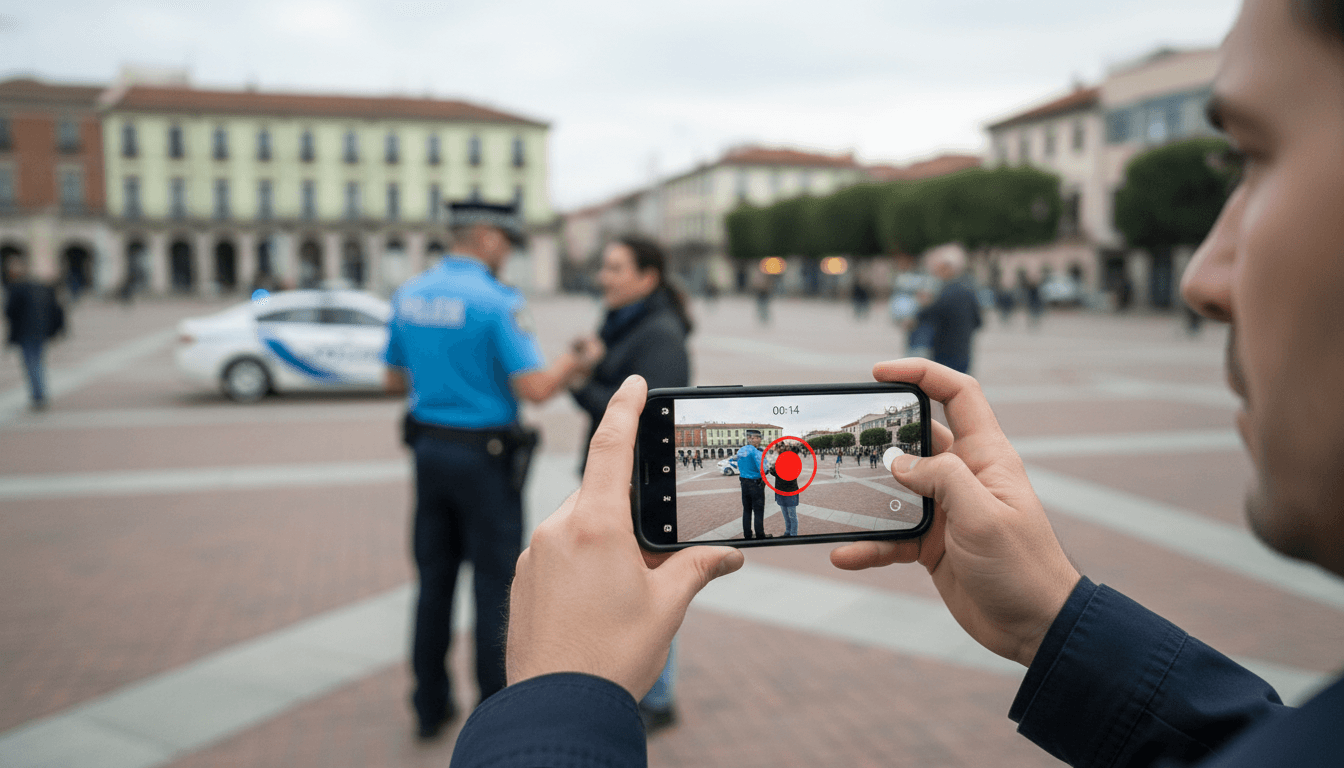
Yes, you can record police in Canada.
Recording police in public spaces is legal. Learn how Charter rights protect you and what you need to know.
Charter rights protect your right to record
Canada's Charter of Rights and Freedoms gives you the legal foundation to record police in public. Here's what you need to know about the specific rights that apply and their limits.
Police support your right to record
Transparent policing means being recorded. When citizens document interactions, it protects both the public and officers doing their job correctly. This is accountability in action.
Officer James Chen
Active Police Officer, Ontario

I've worked in policing for 28 years. Recording interactions isn't something to fear—it's standard practice now. A clear record protects everyone involved and ensures proper procedure is followed.
Detective Sarah Mitchell
Retired Police Detective, Ontario

Knowing you're being recorded actually keeps interactions professional on both sides. I've never had an issue with someone documenting a lawful stop. It's the right citizens have, and good officers have nothing to hide.
Sergeant Marcus Thompson
Active Police Sergeant, Ontario

Recording police isn't anti-police—it's pro-accountability. After 20 years in uniform, I can tell you that officers who follow the law welcome the clarity a recording provides. It backs up what actually happened.
Constable Emma Rodriguez
Active Police Constable, Ontario

How to safely record police interactions
Keep a safe distance, stay calm, and keep your device visible. These practical steps help you capture clear video while protecting yourself.
Questions about recording police
Find answers to your concerns about recording rights, device visibility, and what to do if police object to your recording.
Have a specific question about your rights?
Ask A Cop connects you with active and retired Ontario police officers who provide real-world legal perspective within 24 hours.