

What counts as reasonable suspicion in Canada?
Police can briefly stop and detain you based on reasonable suspicion. Learn what legally qualifies and how it differs from arrest.
More topics you should know about
Explore more questions about your rights during police interactions.

What happens if you refuse to talk to police?
Your right to remain silent and what happens legally if you decline to answer police questions.

Can police enter your backyard in Canada?
When police can and cannot enter your property without permission or a warrant.
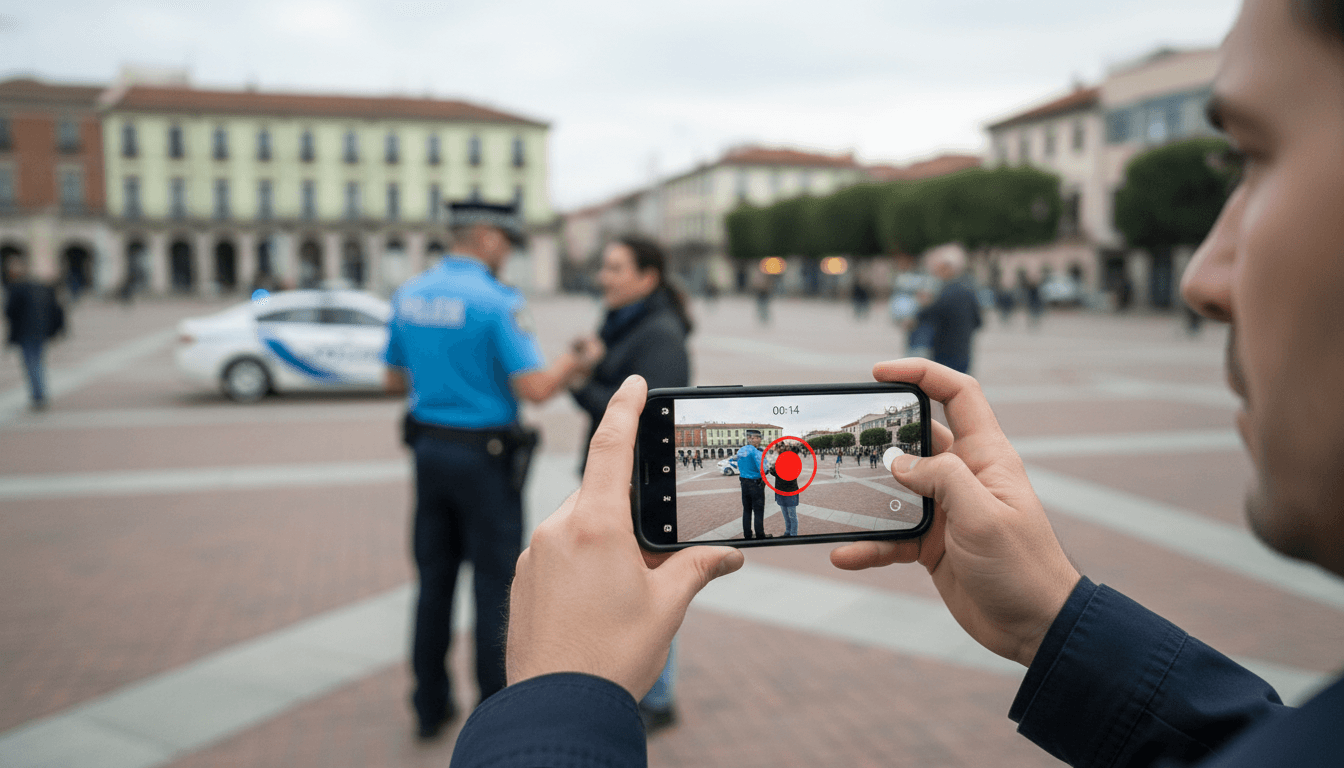
Can you record police in Canada?
Your legal right to record police in public and what you need to know about audio recording laws.

Rights when arrested in Canada
Essential Charter rights you have the moment police place you under arrest, including access to counsel.

Can police take your phone in Canada?
What police can and cannot do when seizing your phone, and how to protect your data.
What is reasonable suspicion in Canada?
The legal standard police must meet to stop and briefly detain you without making an arrest.

Can police pull you over without reason in Canada?
Your rights during traffic stops, RIDE checks, and what police legally need to stop your vehicle.

Do you have to let police into your house in Canada?
When police need a warrant to enter your home and what constitutes a legal consent entry.
Can police lie to you in Canada?
This comes up a lot. Yes — police in Canada can legally use deception during investigations and interrogations. Learn what tactics are permitted, where the law draws the line, and how to protect yourself.

Can police lie to you in Canada?
Police can legally use deception during investigations. Learn what tactics are permitted and how to protect yourself during questioning.
How to protect yourself during questioning
Knowing that police can lie means knowing when to stay silent and demand a lawyer before answering anything.
What reasonable suspicion actually means
Reasonable suspicion is the lowest legal threshold that allows police to stop and briefly detain you without making an arrest. It's based on specific, observable facts—not hunches or gut feelings. Unlike reasonable grounds to believe (which requires stronger evidence for an arrest), reasonable suspicion only needs to justify a short detention to investigate further.
How police apply reasonable suspicion
Must be based on observable facts, not gut feeling. We had to articulate exactly what we saw. That's the difference between a lawful stop and one that gets challenged.
Officer James Mitchell
Ontario Police Service, 18 years

You can't stop someone because they 'look suspicious.' It needs to be specific, articulable facts tied to actual behavior or circumstances. That's what courts require from us.
Officer Sarah Chen
Toronto Police Service, 12 years

The difference between reasonable suspicion and a hunch is documentation. We write down everything we observed. That record is what holds up when it matters.
Officer David Rodriguez
Retired Ontario Police, 22 years service

Explore connected rights and procedures
Understanding reasonable suspicion is easier when you see how detention, identification, and vehicle searches fit together under Canadian law.



Questions about reasonable suspicion
Find quick answers to common questions about reasonable suspicion in Canada. Contact Ask A Cop if you need more details.
Still have questions about reasonable suspicion?
Ask a real Ontario police officer and get a thoughtful answer within 24 hours. No legal jargon, just straight talk.